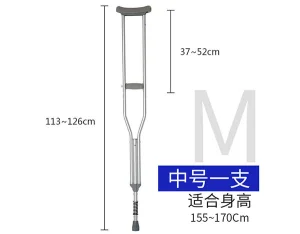
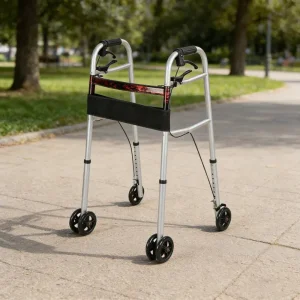
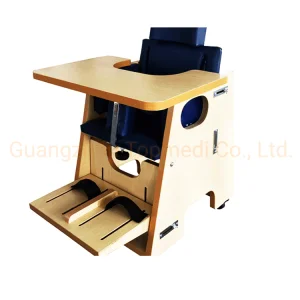
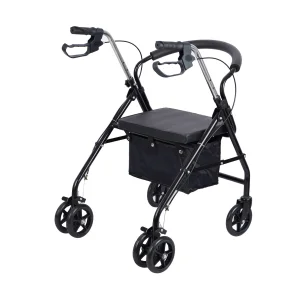
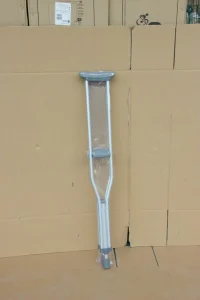
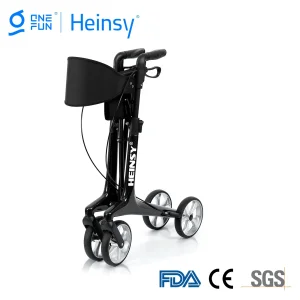
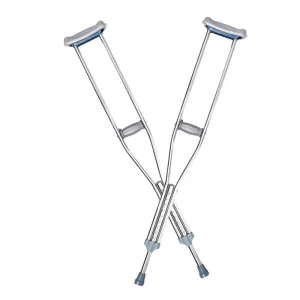
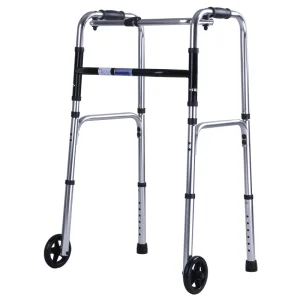
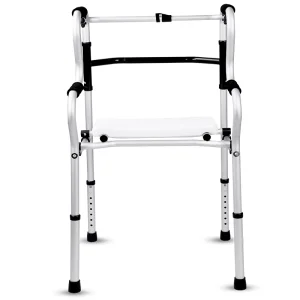
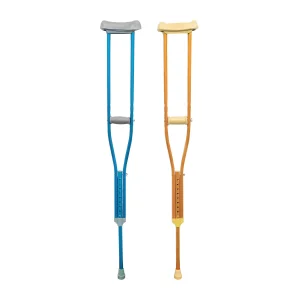
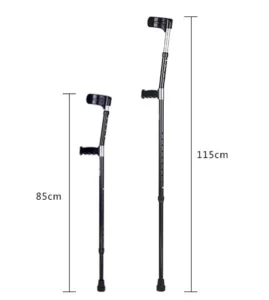
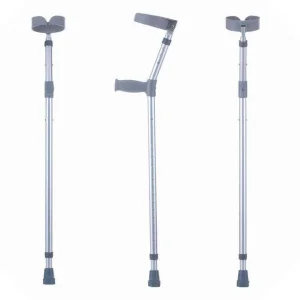
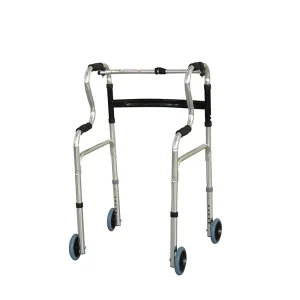
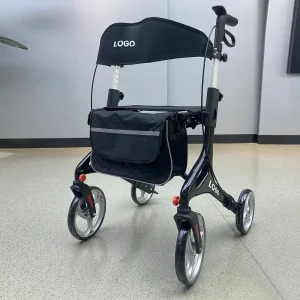
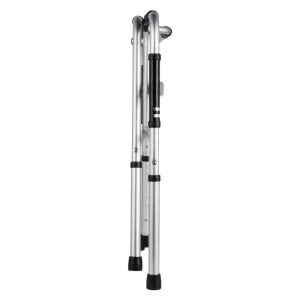
Demand is split between institutional use (hospitals, nursing homes) and home-based recovery. Western markets focus on premium, carbon-fiber rollators, while emerging economies show high demand for durable, cost-effective aluminum folding walkers.
Manufacturing has shifted from simple mechanical welding to precision engineering. High-end suppliers now utilize robotic welding and CNC machining to ensure structural integrity and user safety.
While design innovations often stem from Europe and North America, China remains the world's primary manufacturing hub, supplying over 70% of the world's rehabilitation aids through specialized industrial clusters.
Integration of IoT sensors to track gait patterns and prevent falls. Smart walkers can now sync data with healthcare providers via cloud platforms.
Transition from standard steel to aerospace-grade aluminum alloys and magnesium-carbon composites for ultra-lightweight yet robust frames.
Focus on "Universal Design," where height, grip angle, and resistance levels are infinitely adjustable to fit diverse body types and disability levels.
Global procurement demands are shifting towards RoHS-compliant materials and sustainable production processes to meet ESG goals.

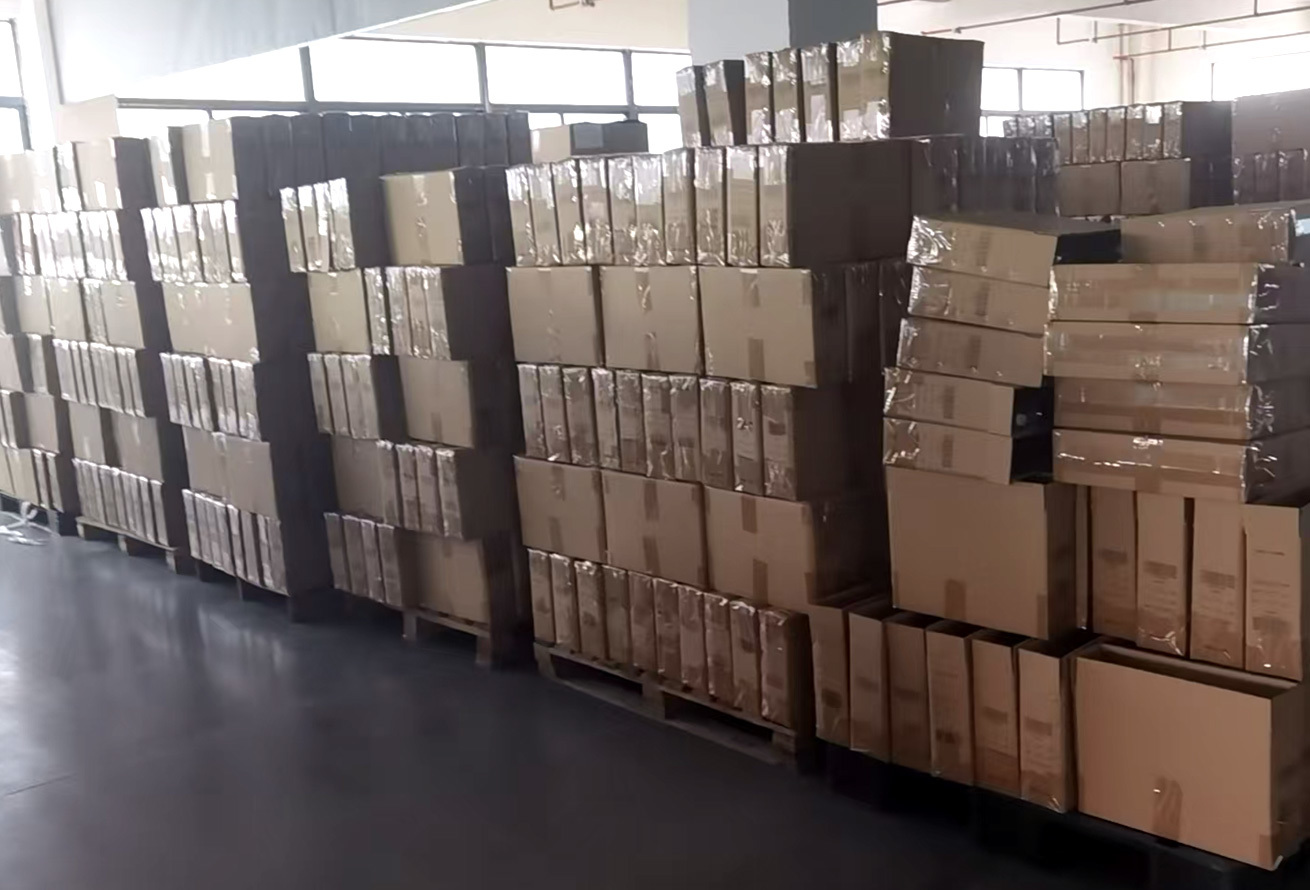
Professional buyers look for more than just a product; they look for a supply chain partner. We cater to:
Walkers are designed for specific environments to maximize patient independence:
From aluminum extrusion to final assembly, our integrated process reduces lead times and guarantees material purity.
Our products are not just "made"; they are engineered to meet CE, FDA, and ISO13485 standards, ensuring global market access.
We provide full-service customization, from color-matching to structural modifications, helping your brand stand out.
 Medivoxa Medical