Explore our flagship orthopedic devices engineered for rehabilitation clinics, healthcare providers, and high-volume medical equipment distributors worldwide.
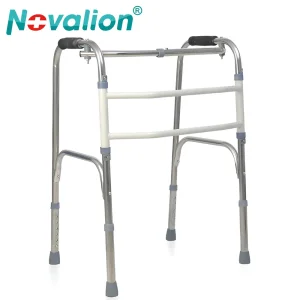
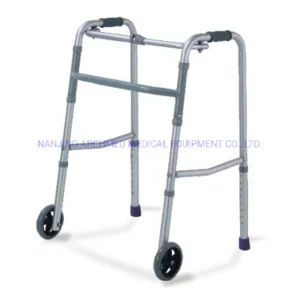
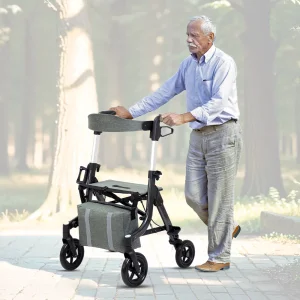
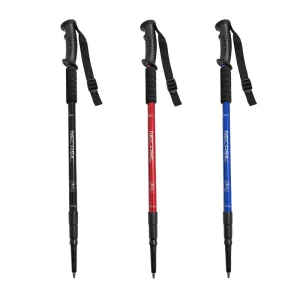
Analyzing the modern landscapes of orthopedic assistive devices, regulatory trajectories, and manufacturing technologies shaping global procurement.
The global orthopedic assistive devices market is experiencing unprecedented demand, driven by three core demographic and socio-economic pillars: an aging global population, rising sports-related orthopedic injuries, and the expansion of post-surgical rehabilitation protocols. According to healthcare industry intelligence, the global crutch and walking aid market is expected to expand at a compound annual growth rate (CAGR) of 6.2% over the next decade.
In mature economies such as North America and Western Europe, the market is characterized by a high demand for premium, ergonomic forearm crutches that integrate advanced materials like carbon fiber and aircraft-grade aluminum. Conversely, in developing economies, the primary focus lies on durability, cost-effectiveness, and ease of assembly. This geographic polarization requires OEM and ODM partners to possess highly versatile manufacturing setups capable of transitioning between high-volume standard product runs and customized, low-volume orthopedic designs.
Modern medical procurement officers are no longer searching simply for "cheap crutches." Instead, search behavior and procurement pipelines focus on long-term clinical efficiency: "biocompatible forearm cuffs," "torsion-resistant tubing," "zero-clearance adjustment pins," and "slip-resistant wide-profile tips." Sourcing agents require comprehensive regulatory support, including ISO 13485 certification, MDR (EU 2017/745) compliance, and FDA Class I listings, to secure international distribution pathways.
The primary engineering goal of a modern medical crutch is to optimize the strength-to-weight ratio while maintaining structural integrity under dynamic cyclic loading. Sourcing partners evaluate manufacturer capability by analyzing the chemical compositions and processing methodologies used in structural tubing.
| Material Category | Structural Benefits | Tensile Yield Strength | Optimal Use Case |
|---|---|---|---|
| 6061-T6 Aluminum | Excellent corrosion resistance, high weldability, cost-efficient processing. | ~276 MPa | Standard clinical underarm & forearm crutches. |
| 7075-T6 Aluminum | Ultra-high strength, superior fatigue resistance, ideal for heavy-duty load profiles. | ~503 MPa | Heavy-duty bariatric walking aids & high-end trekking poles. |
| 3K Carbon Fiber (Pre-preg) | Exceptional stiffness, extremely low mass, natural vibration attenuation. | ~1200 - 1500 MPa | Premium lightweight active crutches & performance gear. |
| 304/316 Stainless Steel | Maximum structural integrity, highly resistant to chemical cleaning agents. | ~290 MPa | Heavy-duty clinical walkers & specialized institutional equipment. |
Beyond the structural core, advancements in polymer science have replaced traditional natural rubber tips with Thermoplastic Elastomers (TPE) and Thermoplastic Rubbers (TPR). These synthetic compounds prevent dry rot, maintain coefficient of friction metrics across wet or oily surfaces, and offer custom durometer ratings tailored to specific patient weights. Ergonomic grips are double-injection molded, fusing a rigid inner polypropylene skeleton with a soft elastomeric outer sleeve to mitigate carpal tunnel syndrome and reduce radial nerve pressure during long-term crutch use.
Medical equipment must align with local clinical preferences and orthopedic standards. OEM exporters must customize designs based on the target market's biomechanical preferences:
The convergence of digital health and orthopedic hardware is transforming traditional mobility aids. Leading R&D centers are mapping out integrations that enhance patient gait tracking and physical therapy monitoring:
Integrating strain gauges within the crutch shaft to monitor axial load bearing in real-time, transmitting compliance data to orthopedic surgeons and physical therapists.
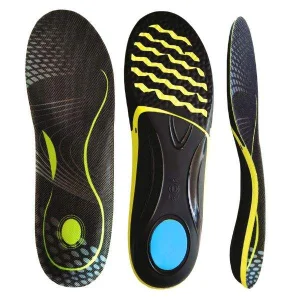
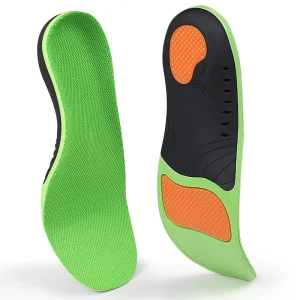
Coordinating gait correction by linking orthopedic insoles with crutch load distribution, optimizing posture alignment through the kinetic chain.
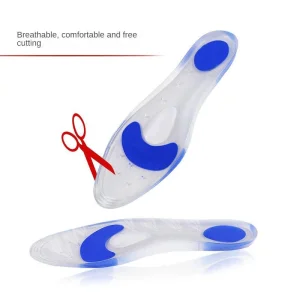
Developing 3D-printed orthopedic grips and insoles mapped directly to the patient's individual biomechanical scan, offering customized pressure-point relief.
Ningbo Medivoxa Medical Co., Ltd. is a leading innovator in the medical technology industry, committed to enhancing healthcare delivery through cutting-edge solutions. With a strong presence in over 40 countries, our mission is to improve patient outcomes by providing high-quality, reliable medical equipment.
Our company has grown to become a trusted name in the medical community, backed by a team of over 150 R&D professionals. We hold more than 50 patents for our groundbreaking technologies, which include advanced surgical robots, precision diagnostic tools, and innovative patient monitoring systems.
At Medivoxa, we prioritize customer satisfaction, evidenced by our 98% satisfaction rate and a dedicated 24/7 customer service team that boasts a 95% first-contact resolution rate. Our global reach, combined with our relentless pursuit of innovation, positions us at the forefront of the medical devices sector. Join us on our journey to shape the future of healthcare, where every innovation brings us closer to a healthier world.

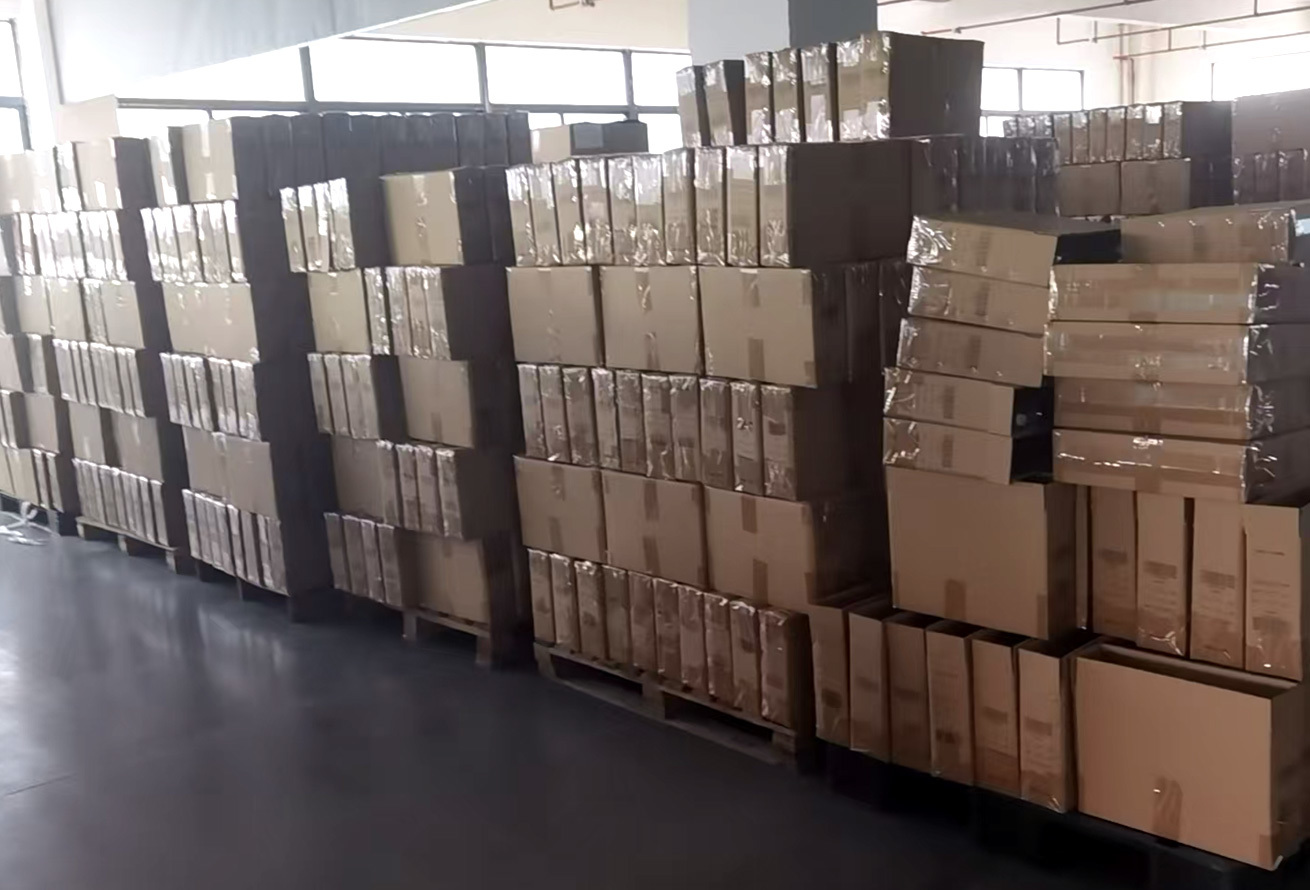
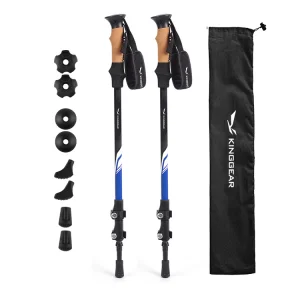
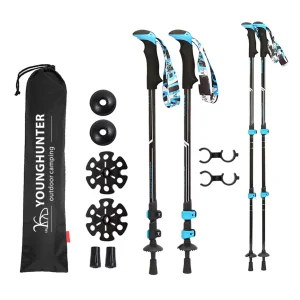
High-performance sports insoles, carbon-fiber trekking poles, and advanced manufacturing machinery supporting clinical rehabilitation and podiatry clinics globally.
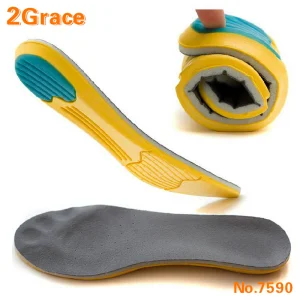
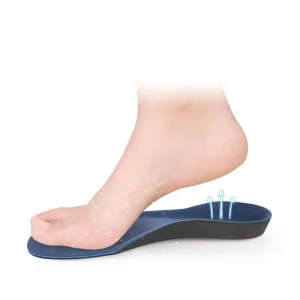
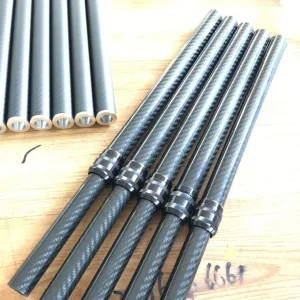
Answers to common engineering, custom manufacturing, and global regulatory compliance queries regarding Medivoxa orthopedic systems.
 Medivoxa Medical