Who needs foot support devices is not a simple question for athletes or older adults alone. People with flat feet, plantar discomfort, uneven pressure, or long standing hours may benefit from suitable support. Nurses, warehouse workers, teachers, runners, and retail employees often spend most of the day on hard floors. Their shoes may look comfortable, yet their feet can still feel tired by evening.
“The foot is the foundation of the body,” says podiatrist Dr. Emily Splichal, a widely recognized expert in functional movement and foot health. Her statement explains why foot support devices deserve careful attention. Insoles, arch supports, heel cups, and custom-style products can influence comfort, balance, and walking patterns. However, one design cannot serve every user. That assumption is common, but often wrong.
Buyers searching for China’s top suppliers should examine material quality, sizing accuracy, cushioning response, and production consistency. A supplier should provide clear product specifications, inspection records, sample options, and reliable communication. Medical claims also require caution. Foot support products are not substitutes for professional diagnosis or treatment.
Small details matter. A firm arch may help one user, but irritate another. Soft foam may feel pleasant, yet compress too quickly. This is where practical testing becomes valuable. Ask who needs foot support devices, then consider workplace demands, foot shape, activity level, and user feedback. The best supplier is not always the cheapest. It is the partner that combines measurable quality with honest limitations. Mistakes can happen, so continuous product review remains essential.
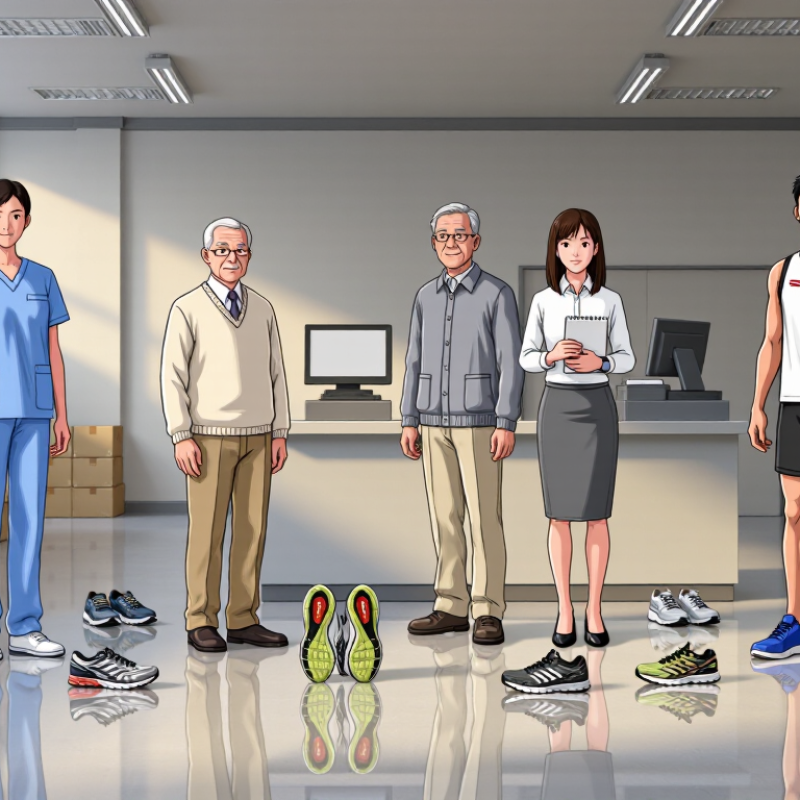
Foot support devices include insoles, orthotic inserts, heel cups, arch supports, and ankle braces. They sit inside footwear or around the foot. Their purpose is practical: redistribute pressure, limit unwanted motion, and improve contact between the foot and shoe. A firm arch area can reduce load beneath the heel. A cushioned layer can soften repeated impact on hard floors. They do not permanently “correct” every foot shape. That claim needs caution.
The World Health Organization reported that musculoskeletal conditions affect about 1.71 billion people worldwide in its 2022 fact sheet. Foot discomfort often appears alongside prolonged standing, sports activity, aging, or unsuitable footwear.
A 2023 Cochrane review found that foot orthoses may provide limited or uncertain benefits for several common foot conditions. Results vary between users. Fit matters greatly. Material hardness matters too. A device that feels supportive in a store may cause pressure after eight working hours.
Buyers sourcing from experienced Chinese suppliers should request measurable specifications, not attractive promises. Useful checks include arch height, compression recovery, surface friction, odor testing, and dimensional tolerance. Suppliers with structured quality systems can provide inspection records and material documentation. Independent testing is still valuable.
I would also ask for samples in several sizes and test them during walking, standing, and stair use. A perfect laboratory result may fail in real shoes. That uncomfortable possibility is easy to overlook.
Professional fitting remains important for diabetes, severe pain, numbness, or post-injury recovery. These cases need clinical assessment, not casual online selection.
They include insoles, arch supports, heel cups, orthotic inserts, and ankle braces. They sit inside shoes or around the foot. Their main roles are pressure redistribution, cushioning, and motion control. They do not permanently reshape every foot.
A firm arch area can reduce pressure beneath the heel. Cushioned layers soften repeated impact on hard floors. Better shoe contact may improve walking comfort. Results vary between users.
Office workers, factory staff, runners, hikers, and older adults may use them. People with flat feet, high arches, or heel discomfort may also consider them. Long hours on rigid floors can increase the need for cushioning. Small changes matter.
Persistent pain, swelling, numbness, or sudden changes require clinical assessment. Diabetes, serious injury, pregnancy-related changes, and children need extra care. A support device is not a diagnosis. Do not guess.
Check foot shape, shoe space, activity level, and daily wearing time. Review arch height, heel width, material density, and surface friction. Soft cushioning may suit sensitive users. Firm support can feel harsh. This is often overlooked.
Wear them briefly during walking and standing before full-day use. Try stairs and normal work activities. Stop if pressure, numbness, or worsening pain appears. One painful day teaches enough.
Request samples in several sizes and measurable technical specifications. Ask for compression recovery, dimensional tolerance, odor testing, and material details. Request batch records and inspection documents. Test samples in real shoes, not only laboratories. Real shoes differ.
Compare minimum order quantities, tooling costs, lead times, defect handling, and replacement policies. Ask about skin-contact materials, adhesives, latex, labor, and environmental practices. Independent testing can verify important claims. Certification helps, but it does not prove clinical performance. Promises are not evidence.
Do not choose only by price or polished catalog images. Do not assume a harder insert provides better support. Do not accept claims of permanent correction without evidence. A failed sample may reveal more than a perfect promise.
Foot support devices are products designed to improve alignment, stability, comfort, and pressure distribution throughout the feet and lower limbs. They may include insoles, arch supports, heel cushions, ankle braces, and other corrective or protective solutions. The question of who needs foot support devices often applies to people with flat feet, high arches, foot fatigue, heel discomfort, uneven walking patterns, sports-related strain, or occupations that require prolonged standing. They can also be useful for individuals seeking additional comfort during daily activities, provided the product suits their needs.
Chinese top suppliers are often considered for their broad manufacturing capabilities, flexible customization, competitive pricing, and experience with different materials and designs. When evaluating manufacturers, buyers should review production standards, material quality, testing procedures, customization options, communication, and delivery reliability. Product selection should be guided by the user’s foot condition, support level, intended activity, size range, durability, comfort, and overall value. Comparing suppliers through samples, certifications, clear specifications, and after-sales service can help buyers make a practical and informed decision.

 Medivoxa Medical