What Causes Foot Discomfort During Long Walks China Top?

Time:2026-10-01 Author:Isabella
0%

Long walks can turn a pleasant day into a slow, painful journey. The question “what causes foot discomfort during long walks” has several practical answers. Pressure, friction, poor support, and repeated impact often work together. A small hot spot beneath the big toe can become a blister within hours. Tight shoes may compress the toes, while loose shoes allow the heel to slide.

China’s varied walking environments make these problems easier to notice. Stone pavements, steep temple steps, crowded streets, and long transit connections place different demands on the feet. Heat and humidity can increase swelling and sweating. Cold weather may reduce flexibility. Even experienced walkers can misjudge distance, footwear, or recovery time. I have found that discomfort often develops gradually, then becomes difficult to ignore.

Podiatrists usually assess footwear fit, walking patterns, skin irritation, joint movement, and existing conditions. They also consider flat feet, high arches, bunions, plantar fasciitis, and previous injuries. However, one explanation may be incomplete. Foot pain can come from the ankle, knee, nerves, or lower back. That is why reliable guidance should avoid promising a single cure.

This introduction examines the most common causes, warning signs, and practical prevention methods. It focuses on evidence-based habits, including gradual distance increases, breathable socks, secure lacing, and scheduled breaks. Persistent swelling, numbness, severe pain, or wounds deserve professional evaluation. Comfort matters, but safety matters more.
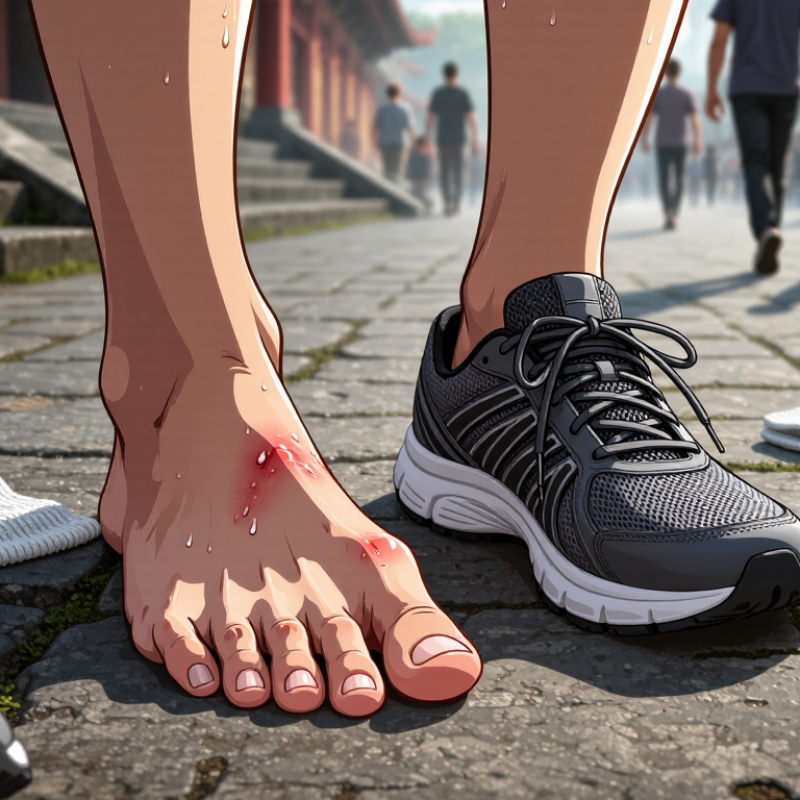
What Causes Foot Discomfort During Long Walks China Top?

Common Causes of Foot Discomfort During Long Walks

What Causes Foot Discomfort During Long Walks in China?

Long walks expose small foot problems that short trips often hide. Pressure rises under the forefoot, heel, and outer edge. Tight toe boxes can cause rubbing, blisters, and numbness. Loose footwear may create sliding, especially on slopes or crowded urban pavements. Swelling also increases later in the day. Feet need more space than they appear to need at breakfast.

The American Podiatric Medical Association’s 2014 national survey found that 77% of U.S. adults had experienced foot pain. However, that survey measured general foot pain, not walking-specific discomfort. That distinction matters.

The Framingham Foot Study reported foot pain in 19% of men and 29% of women. Long-distance walking can expose existing joint stiffness, plantar tissue irritation, or reduced ankle mobility.

Surface and walking load matter too. Concrete and tiled paths can feel unforgiving after several hours. A sudden increase in distance may overload muscles before they adapt. Practical checks include measuring both feet late in the day, examining worn sole areas, and changing damp socks.

I would not blame footwear automatically. A persistent burning sensation, swelling, or sharp pain deserves professional assessment. A simple shoe change may help, but it is not a diagnosis. Pain often reflects several small factors acting together.

Sources: American Podiatric Medical Association, 2014 national foot health survey; Framingham Foot Study, Arthritis Care & Research.

How Walking Surfaces and Distance Affect Foot Comfort

Long walks can feel easy on a smooth track but painful on uneven streets. Hard concrete sends repeated impact through the heel and forefoot. Cobblestones also make small stabilizing muscles work harder. Soft ground reduces impact, yet mud or sand demands more effort from the ankles. I notice the difference after only a few kilometers. My feet feel warmer, tighter, and less flexible.

Distance changes discomfort through accumulated load, not one single step. As fatigue grows, the foot may roll inward or lose a stable push-off. That shift can irritate the arch, toes, or Achilles tendon. Clinical foot-care guidance often recommends gradual distance increases, especially after inactivity. A sudden weekend hike can expose problems that short daily walks hide. I still misjudge this sometimes. Feeling fit does not always mean my feet are ready.

Tips: Test a route before attempting a long walk. Increase distance slowly, and add rest breaks before pain becomes sharp. Choose firm, level surfaces when recovering from soreness. On mixed terrain, shorten your stride and watch for loose stones. Keep feet dry, because damp skin blisters more easily. Check the soles after walking for redness, swelling, or pressure marks. Persistent pain deserves assessment from a qualified healthcare professional, particularly when walking becomes difficult.

The Role of Footwear, Fit, and Cushioning

What Causes Foot Discomfort During Long Walks China Top?

Foot discomfort often begins with poor fit, not distance alone. A narrow toe box presses against the forefoot as the feet swell. Heel slippage creates repeated friction, especially on steep streets or hard pavement. The American Podiatric Medical Association reported that 77% of surveyed adults had experienced foot pain. That figure shows how common the problem is, but it does not identify one universal cause.

Cushioning also matters. Thin, firm soles may increase pressure under the heel and forefoot. Excessively soft midsoles can feel unstable after several hours. A 2023 footwear comfort review in Applied Ergonomics linked suitable cushioning and pressure distribution with better walking comfort. However, comfort remains personal. I once chose a heavily cushioned pair for a long trip. My feet felt protected at first, yet my ankles tired sooner. That choice was not completely sensible.

Tips: Try shoes in the afternoon, when feet are usually larger. Leave about one thumb-width before the longest toe. Walk for ten minutes indoors before a long trip. Check for heel movement and red pressure marks. Wear the socks planned for the walk. Replace worn insoles when they flatten visibly. The APMA also advises gradual increases in walking activity, rather than sudden mileage jumps. One detail is easy to miss: cushioning cannot correct an unstable fit. If numbness, sharp pain, or persistent swelling appears, stop and seek advice from a qualified foot-health professional.

What Causes Foot Discomfort During Long Walks?

The role of footwear, fit, and cushioning

Long-walking discomfort commonly develops when shoes create excessive pressure, restrict natural foot movement, or provide insufficient impact protection. Proper toe-room, stable heel fit, breathable materials, and cushioning matched to walking conditions can reduce common sources of fatigue, rubbing, and soreness. The values shown are practical footwear assessment targets rather than clinical prevalence estimates.

Typical Foot Problems Linked to Extended Walking

What Causes Foot Discomfort During Long Walks China Top?

Extended walking can expose ordinary foot problems that remain unnoticed during short trips. Blisters often develop when damp skin rubs against socks or footwear. They may begin as a warm, tender spot before the skin breaks. That hurts.

Plantar fasciitis can cause sharp pain near the heel, especially during the first steps after resting. Metatarsalgia creates soreness beneath the ball of the foot after repeated pressure. Tight footwear may also compress the toes, causing numbness, tingling, or painful corns. Swollen feet are common after long walks because muscles and blood vessels work continuously. I once underestimated this swelling and kept walking; that choice made the next day worse. Achilles tendon irritation may appear as stiffness behind the ankle, particularly after hills or faster walking.

Tips: Choose footwear with enough toe space and stable cushioning. Wear moisture-managing socks, and change them if they become wet. Increase walking distance gradually rather than doubling it suddenly. Check your feet during breaks for redness, hot spots, or broken skin. Stretch the calves gently after walking, but stop if pain becomes sharp. Do not pop a blister unless a qualified healthcare professional advises it. Persistent pain, severe swelling, loss of sensation, or difficulty bearing weight deserves medical assessment. A short rest can prevent a small problem from becoming a longer injury.

Practical Ways to Prevent and Relieve Walking-Related Foot Discomfort

What Causes Foot Discomfort During Long Walks China Top?

Long walks often expose small problems before they become painful. Tight shoes can compress toes, while loose footwear creates repeated rubbing. Hard surfaces also increase pressure under the heel and forefoot. The American Podiatric Medical Association reported that 77% of adults had experienced foot pain in its 2014 national survey. That figure suggests discomfort is common, not simply a sign of poor fitness.

Choose walking shoes with enough toe space and a stable, comfortable heel. Try them later in the day, when feet are slightly swollen. Wear moisture-managing socks, and replace them if they bunch under the toes. Before walking, move your ankles and calves for three to five minutes. Increase distance gradually. The World Health Organization recommends 150–300 minutes of moderate activity weekly, but reaching that target too quickly may irritate feet. A slower increase is often more realistic.

During a long walk, stop when a hot spot appears. Cover it early with a clean blister dressing, rather than waiting for broken skin. Stretch gently after walking, and elevate tired feet for several minutes. I still sometimes ignore early soreness, which is a mistake. Pain that persists, causes swelling, changes your walking pattern, or affects one specific area deserves professional assessment. Self-care helps ordinary fatigue, but it cannot explain every painful step.

What Causes Foot Discomfort During Long Walks China Top? - Practical Ways to Prevent and Relieve Walking-Related Foot Discomfort
Common Source of Discomfort Typical Symptoms Why It May Occur During Long Walks Prevention Strategies Practical Relief When to Seek Medical Advice
Blisters and Skin Friction Hot spots, redness, burning, or fluid-filled areas, usually on the heel or toes. Repeated rubbing, moisture, poorly fitted footwear, or wrinkled socks can damage the outer skin layer. Choose a secure fit with enough toe room, use moisture-managing socks, and stop early when a hot spot develops. Clean and cover the area with a protective dressing. Avoid intentionally breaking an intact blister. Get medical advice for spreading redness, pus, increasing warmth, fever, or slow healing, especially with diabetes.
Plantar Fascia Irritation Pain under the heel or along the arch, sometimes worse after rest or toward the end of a walk. A sudden increase in walking distance, prolonged standing, limited calf flexibility, or insufficient foot support may increase tissue stress. Increase distance gradually, vary walking surfaces, stretch the calves, and use comfortable footwear with appropriate support. Reduce aggravating activity temporarily, apply a cold pack wrapped in cloth for short periods, and perform gentle calf and foot stretches. Arrange an assessment if pain persists for several weeks, worsens, or changes your normal walking pattern.
Forefoot Overload Aching, burning, or a pebble-like sensation beneath the ball of the foot or near the toes. Long periods of walking, hard surfaces, narrow toe boxes, or increased pressure on the front of the foot can overload the metatarsal area. Select footwear with adequate toe width and cushioning, avoid excessively thin or worn soles, and build walking volume progressively. Rest, elevate the foot, use a cool compress, and temporarily choose lower-impact activities if symptoms are aggravated. Seek evaluation for persistent numbness, severe burning, swelling, or pain that does not improve with reduced activity.
Toe Pressure and Nail Trauma Tender toes, bruising under a nail, loss of a nail, or pain when walking downhill. Toes may repeatedly strike the front of the shoe when footwear is short, loosely secured, or used on steep terrain. Leave sufficient space in front of the longest toe, keep toenails trimmed straight across, and secure laces to limit forward sliding. Rest the foot, protect the toe from further pressure, and use a cool compress for short periods if swelling is present. Obtain care for severe swelling, deformity, inability to bear weight, or signs of infection around the nail.
Achilles or Calf Overuse Pain or stiffness at the back of the ankle or lower calf, particularly after hills or a sudden increase in pace. Uphill walking, tight calf muscles, and abrupt changes in distance or intensity can increase tendon loading. Warm up, increase hills and distance gradually, strengthen the calf muscles, and avoid rapidly changing footwear or training volume. Reduce walking intensity, use gentle mobility exercises, and apply a cold pack if it provides comfort. Seek prompt care after a sudden snap, marked weakness, substantial swelling, or inability to push off the foot.
Foot and Ankle Swelling Tight footwear, visible puffiness, sock marks, or a heavy feeling in the feet after prolonged walking. Long periods upright can increase fluid accumulation in the lower limbs, especially in warm conditions or after a sudden increase in activity. Take brief movement breaks, avoid overly tight footwear, stay hydrated, and schedule recovery between demanding walks. Elevate the legs, rest, move the ankles gently, and loosen restrictive footwear. Get urgent advice for sudden one-sided swelling, calf pain, chest pain, breathing difficulty, or swelling that is persistent and unexplained.
Muscle Fatigue and Cramps Tired arches, tightening in the toes or calves, twitching, or painful spasms late in a walk. Muscles may fatigue from prolonged effort, unfamiliar terrain, insufficient conditioning, or walking in excessive heat. Condition gradually, maintain a steady pace, take planned breaks, and drink fluids according to thirst and conditions. Stop safely, gently stretch and massage the affected muscle, and resume only when normal movement returns. Consult a healthcare professional if cramps are frequent, severe, associated with weakness, or linked to medication or medical conditions.
Unsuitable Footwear or Worn Soles General soreness, uneven discomfort, heel slipping, arch fatigue, or pain that improves after changing shoes. Poor fit, inadequate cushioning, insufficient stability, or compressed tread can alter pressure distribution during walking. Check fit while standing, allow toe movement, match footwear to the walking surface, and replace shoes when the sole or cushioning is visibly worn. Switch to comfortable footwear, shorten the walk, and allow the feet to recover before returning to longer distances. Seek professional assessment if discomfort continues despite appropriate fit and reduced walking load.
General safety note: Stop walking if pain is sharp, rapidly worsening, or associated with numbness, weakness, significant swelling, or an inability to bear weight. Persistent or recurrent foot discomfort should be assessed by a qualified healthcare professional.

FAQS

What commonly causes foot discomfort during long walks?

Tight toe boxes can rub the toes and create blisters, numbness, or painful pressure. Loose footwear may let the foot slide on slopes or busy paved streets. Feet can swell later in the day. Small checks matter.

Why do blisters form during extended walking?

Damp skin rubbing against socks or footwear often creates a warm, tender spot. If walking continues, the skin may break. That hurts. Avoid popping a blister without qualified medical advice.

What can cause heel or ball-of-foot pain?

Plantar tissue irritation may cause sharp heel pain, especially after resting. Repeated pressure beneath the forefoot can cause soreness in the ball of the foot. The cause is not always obvious.

How does swelling affect walking comfort?

Feet may need more room in the afternoon than at breakfast. Tight footwear can increase pressure around the toes and forefoot. Measure both feet late in the day. This is easy to forget.

Can walking surfaces and distance increase foot pain?

Concrete and tiled paths may feel harsh after several hours. A sudden increase in distance can overload muscles before they adapt. Increase walking time gradually, especially after a quiet period.

How can walkers reduce foot discomfort?

Choose footwear with enough toe space, stable cushioning, and a secure fit. Wear moisture-managing socks, and change them when wet. Check for redness, hot spots, or broken skin during breaks. Rest helps.

What may cause stiffness behind the ankle?

Achilles tendon irritation may appear after hills or faster walking. Gentle calf stretching can help after walking, but stop if pain becomes sharp. Do not force it.

When should foot pain receive medical assessment?

Seek assessment for persistent pain, severe swelling, loss of sensation, or difficulty bearing weight. Continuing burning or sharp pain also deserves attention. A footwear change may help, but it is not a diagnosis.

What simple checks can identify walking-related foot problems?

Examine worn areas on the soles and compare both feet late in the day. Look for damp socks, redness, swelling, or unusual hot spots. I once underestimated afternoon swelling and kept walking. The next day was worse.

Conclusion

Long walks can place considerable stress on the feet, especially when the body is not accustomed to extended activity. Understanding what causes foot discomfort during long walks involves several factors, including hard or uneven walking surfaces, increased distance, repetitive impact, and insufficient recovery time. Poorly fitted footwear, limited cushioning, inadequate arch support, and a lack of space for natural toe movement may also contribute to soreness, pressure points, blisters, and general fatigue.

Common problems linked to extended walking include heel pain, arch strain, irritated toes, blisters, and discomfort in the ball of the foot. To reduce these issues, walkers should increase distance gradually, choose breathable and properly fitted footwear, wear comfortable moisture-managing socks, and take regular breaks. Gentle stretching, foot-strengthening exercises, hydration, and elevating the feet after walking can further support recovery. If pain persists, becomes severe, or affects normal movement, professional medical advice should be considered.

Isabella

Isabella

Isabella is a dedicated marketing professional with a sharp focus on driving brand growth and engagement through strategic content creation. With an extensive background in digital marketing, she combines her passion for storytelling with her keen understanding of industry trends to deliver......